
IMSI
IVFWhat is the IMSI Method?
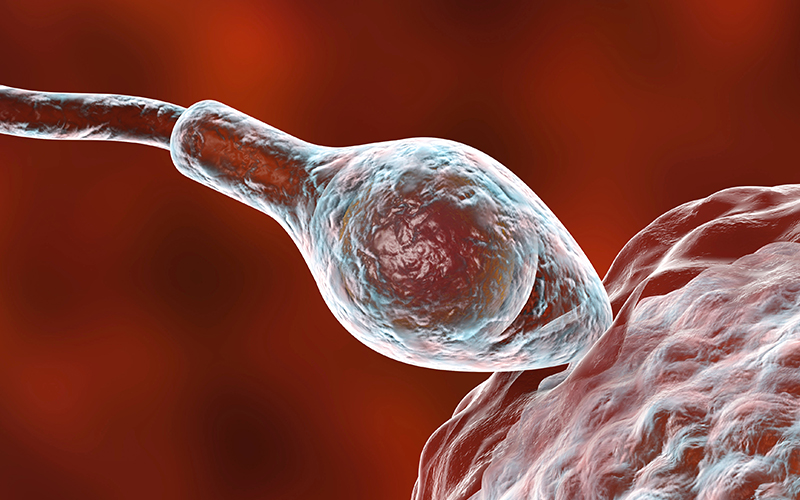
The IMSI technique, which allows the sperm to be examined more closely and in detail, is as helpful as possible in IVF treatment. The hereditary structure of the sperm can be enlarged with the IMSI method and can be followed in detail up to the vacuoles in the head structure. Sperm, which are magnified 300 times on average in the microinjection (ICSI) method, can be magnified approximately 6 thousand times by means of highly developed microscopes with the IMSI method. Since the quality of the selected sperms is ensured after being examined with this technique, the probability of a healthy pregnancy and healthy baby is higher.
When Is IMSI Preferred?
The IMSI method is especially used when sperms with deformity of the head region are in question. Generally, if it is predicted that there is a defect in the head of the sperm, detailed research is carried out by magnifying the sperm 6000 times with the IMSI technique. However, if it is not thought that there is a very important problem related to the head region in normal research, the IMSI method is not needed. Considering that although the sperm number is sufficient, it is considered that there is a significant problem in the head, when it is taken into account that recurrent in vitro fertilization failures and problems in embryo quality are caused by sperm morphology, detailed research is carried out with the IMSI technique.
The Chance of Pregnancy Can Be Increased by Choosing Quality Sperm
If there is no random problem arising from the mother-to-be, it is important to ensure the effective outcome of the treatment, especially in older father-to-be sure of the sperm quality. Since even the inner parts of the sperm can be examined in detail with the IMSI technique, it is possible to select quality sperm for fertilization. Quality embryos obtained from eggs fertilized with quality sperm increase the possibility of pregnancy, while reducing the risk of miscarriage and the possibility of diseases that may occur in children.