
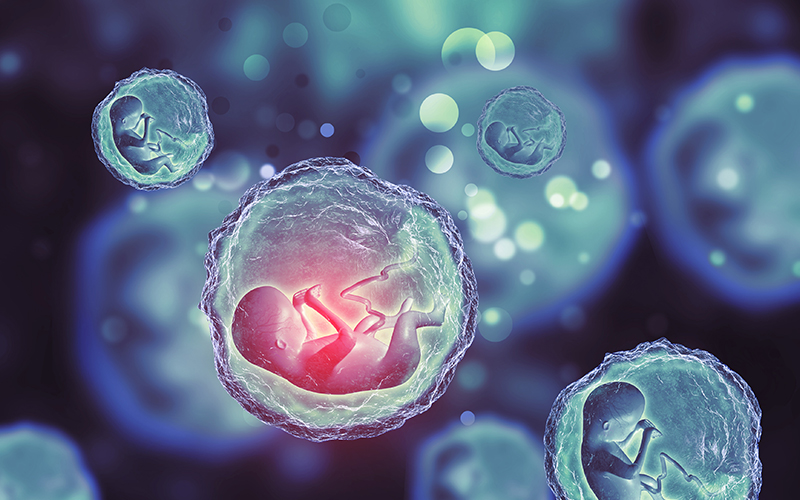
Embryo Culture
IVFEmbryo culture is the 4th stage of the in vitro fertilization process, which is the follow-up of fertilized eggs. IVF is an imitation of the pregnancy mechanism that takes place in the mother’s body. Eggs are collected by growing with hormones given from outside, and fertilization is created by combining them outside the body with sperm taken from the father-to-be. The zygote is formed as a result of the fertilization of the sperm and the egg, and the embryo is formed by the division of the zygote into cells. Embryo culture is an imitation of this process in the laboratory environment
How Does the Embryo Culture Process Work?
Embryo culture is carried out in an incubator that completely imitates the body. Here, the embryos are followed in special droplets, in an environment where the amounts of heat, nitrogen, oxygen and carbon dioxide are adjusted.
The environment in the incubator completely imitates the environment in the tube that allows the embryo to grow and develop. As the zygote formed in the tubes rolls through the tube towards the uterus, cell division begins. Cell division continues in the tube, and after about 5 days, the embryo reaches the intrauterine cavity and is embedded in the intrauterine tissue, forming a pregnancy. The development of the embryos is monitored every day. Embryos are removed from the incubator every day, provided that they remain in the droplets, and cell divisions and whether the dividing cells are of equal size are observed under the microscope. Of course, not all embryos develop the same. This elapsed time outside the body allows the identification of better quality embryos. At the end of 5 days, embryos with the highest pregnancy potential are selected and placed into the uterus by embryo transfer.